Signs of membrane fouling, the difference between acid and alkaline cleaning, and key rules.
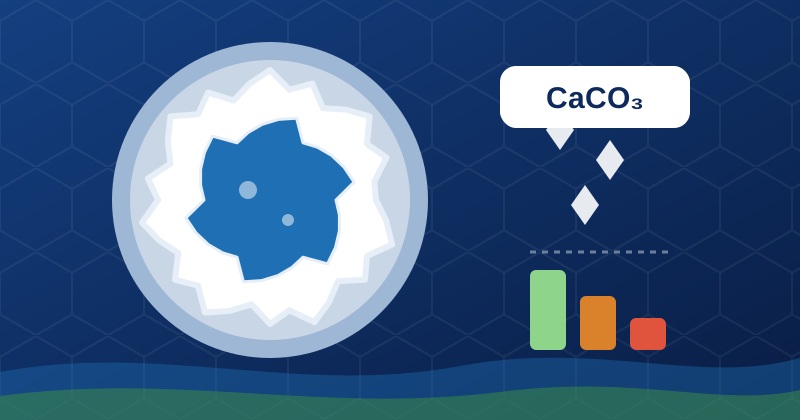
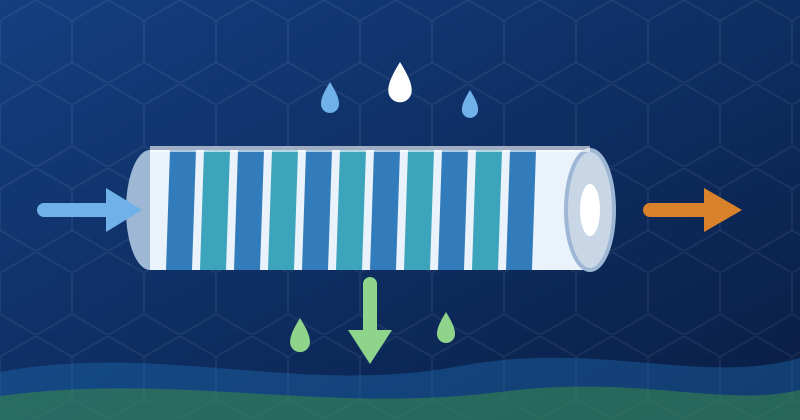
Over time, scale, colloids, organics and biofilm build up on RO membranes. Flow drops, differential pressure rises and salt passage increases.
When to clean
Manufacturers commonly recommend cleaning when normalized permeate flow or differential pressure changes by roughly 10–15% from the baseline. Exact limits are given in the membrane manufacturer’s instructions.
Acid vs. alkaline cleaning
- Acid (low pH, e.g. citric acid): dissolves scale and metal oxides
- Alkaline (high pH, with surfactants): removes organics and biofilm
- The sequence depends on the foulant: alkaline first is common for organic or biological fouling, acid first for scaling
Key rules
- Respect the pH, temperature and pressure limits set by the membrane manufacturer
- Flush the system thoroughly with clean water afterwards
- Record normalized flow, differential pressure and salt passage before and after cleaning
Have a technical specification or an inquiry?
Send a request